Koliko košta izrada web stranice u 2026. godini?

Koliko košta izrada profesionalne web stranice?
Na prvi pogled djeluje kao jednostavno pitanje, ali odgovor zavisi od mnogo faktora.
Web stranica može koštati nekoliko stotina KM, ali isto tako i nekoliko hiljada ili desetina hiljada KM, zavisno od toga šta treba da radi, koliko je kompleksna i koliko je prilagođena vašem poslovanju.
Na tržištu Bosne i Hercegovine u 2026. godini jednostavne prezentacijske stranice često se kreću okvirno od 500 do 1.200 KM, poslovne stranice sa više funkcionalnosti približno od 1.000 do 2.500 KM, dok web shopovi i naprednija rješenja uglavnom počinju od oko 1.500 KM i mogu značajno premašiti taj iznos.
Međutim, sama cijena ne govori mnogo.
Dva izvođača mogu ponuditi „web stranicu“ za potpuno različite iznose, a da se iza tih ponuda kriju dva sasvim različita proizvoda.
Zato je mnogo važnije razumjeti šta zapravo plaćate.
U nastavku objašnjavamo šta najviše utiče na cijenu web stranice u 2026. godini i kako procijeniti koliko bi realno trebalo investirati u vaš projekat.
Zašto cijena web stranice toliko varira?
Web stranica danas nije samo nekoliko tekstova, fotografija i kontakt forma.
Za ozbiljnu firmu ona može predstavljati:
- glavni izvor novih upita
- prodajni kanal
- katalog proizvoda i usluga
- mjesto za rezervacije
- korisnički portal
- sistem za upravljanje sadržajem
- platformu povezanu sa drugim poslovnim sistemima
Zbog toga nije isto napraviti jednostavnu stranicu za mali lokalni biznis i web platformu koja mora obrađivati hiljade proizvoda, korisnika i narudžbi.
Razlika u cijeni najčešće proizlazi iz količine rada potrebne za dizajn, razvoj, testiranje, integracije, SEO, performanse i održavanje.
1. Jednostavna prezentacijska web stranica
Za manju firmu kojoj je prvenstveno potrebno profesionalno online prisustvo često je dovoljna prezentacijska stranica.
Takva stranica obično sadrži:
- početnu stranicu
- stranicu „O nama“
- pregled usluga
- galeriju ili reference
- kontakt formu
- osnovne informacije o firmi
Na tržištu BiH, okvirna cijena ovakvih stranica u 2026. godini često se kreće između 500 i 1.200 KM, zavisno od dizajna, broja podstranica i kvaliteta izvedbe.
Za obrte, restorane, salone, manje firme i pružaoce usluga ovo može biti sasvim dovoljno rješenje.
Problem nastaje kada se najjeftinije rješenje pokušava koristiti za poslovanje koje zahtijeva mnogo više.
2. Profesionalna poslovna web stranica
Ozbiljnija poslovna web stranica obično zahtijeva više od osnovne prezentacije.
Može uključivati:
- dizajn prilagođen identitetu brenda
- više podstranica i usluga
- CMS administraciju
- blog
- više jezika
- napredne kontakt forme
- integraciju mapa
- newsletter
- analitiku
- tehnički SEO
- optimizaciju brzine
- posebne sekcije za reference ili projekte
Takva web stranica na tržištu BiH često se kreće približno između 1.000 i 2.500 KM, dok kompleksnija custom rješenja mogu biti i znatno skuplja.
Razlika se uglavnom vidi u detaljima.
Dobar poslovni sajt nije samo vizuelno lijep. Mora biti brz, jednostavan za korištenje, optimizovan za mobilne uređaje i dizajniran tako da vodi posjetioca prema konkretnom cilju.
To može biti poziv, kontakt forma, rezervacija, zahtjev za ponudu ili kupovina.
3. Koliko košta izrada web shopa?
Web shop je znatno složeniji od klasične web stranice.
Pored standardnog dizajna i sadržaja, potrebno je razviti sistem koji može upravljati:
- proizvodima
- kategorijama
- cijenama
- zalihama
- korisnicima
- korpom
- narudžbama
- načinima plaćanja
- dostavom
Jednostavniji web shopovi u BiH mogu početi od približno 1.200–1.500 KM, dok ozbiljniji projekti sa naprednijim funkcijama često dosežu 3.000, 4.000 KM ili više.
Kod većih projekata cijena dodatno raste ako se web shop povezuje sa:
- ERP sistemom
- skladištem
- fiskalnim sistemom
- kartičnim plaćanjem
- dostavnim službama
- eksternim marketplace platformama
- CRM sistemom
- programima lojalnosti
- automatskom sinhronizacijom cijena i zaliha
U tom trenutku više ne govorimo samo o „web shopu“, već o kompletnom digitalnom prodajnom sistemu.
4. Custom web stranica ili web aplikacija
Kod određenih projekata WordPress, Shopify ili slične platforme jednostavno nisu dovoljne.
Firma možda treba:
- korisničke naloge
- posebne administratorske panele
- rezervacijski sistem
- kalkulatore
- automatsko generisanje dokumenata
- napredno upravljanje korisnicima
- povezivanje sa internim poslovnim sistemima
- posebne poslovne procese
U takvim situacijama razvija se custom rješenje.
Cijena može početi od nekoliko hiljada KM, a kod ozbiljnih sistema značajno rasti.
Ovdje cijenu više nema smisla određivati prema broju stranica.
Glavni faktor postaje koliko funkcionalnosti i poslovne logike sistem mora sadržavati.
Šta najviše utiče na cijenu web stranice?
Dizajn
Jedna od najvećih razlika u cijeni nastaje između korištenja gotovog templatea i izrade dizajna posebno za određeni brend.
Template može biti dobro rješenje za jednostavnije projekte.
Ali firma koja želi prepoznatljiv digitalni identitet često će trebati prilagođeni dizajn.
Custom dizajn uključuje više rada na:
- strukturi stranice
- rasporedu sadržaja
- tipografiji
- bojama
- vizuelnoj hijerarhiji
- korisničkom iskustvu
Zbog toga je skuplji, ali rezultat može biti značajno profesionalniji.
Broj stranica i količina sadržaja
Web stranica sa pet podstranica nije isti projekat kao portal sa 80 ili 100 stranica.
Svaku stranicu potrebno je:
- osmisliti
- dizajnirati
- razviti
- unijeti sadržaj
- optimizovati
- testirati
Pored broja stranica važna je i količina sadržaja.
Ako klijent već ima pripremljene tekstove i fotografije, projekat može biti jednostavniji.
Ako je potrebno dodatno raditi:
- copywriting
- fotografiju
- grafički dizajn
- ilustracije
- video
- SEO sadržaj
trošak će biti veći.
CMS administracija
CMS omogućava vlasniku stranice da samostalno mijenja određeni sadržaj.
Na primjer:
- objavljuje blogove
- mijenja tekstove
- dodaje fotografije
- uređuje proizvode
- mijenja cijene
- dodaje nove usluge
Kod profesionalnih web stranica ovo je gotovo uvijek poželjno.
Međutim, jednostavan CMS za blog nije isto što i napredan administrativni sistem za hiljade proizvoda ili korisnika.
Što je administracija kompleksnija, to je potrebno više vremena za razvoj.
Mobilna optimizacija
U 2026. godini responzivna stranica ne bi trebala biti dodatna opcija.
Ona je standard.
Web stranica mora dobro funkcionisati na:
- desktop računarima
- laptopima
- tabletima
- mobilnim telefonima
Ipak, postoji velika razlika između stranice koja se samo „smanji“ na telefonu i one koja je pažljivo dizajnirana za mobilne korisnike.
Dobra mobilna verzija zahtijeva posebno razmišljanje o:
- navigaciji
- veličini dugmadi
- čitljivosti
- formama
- fotografijama
- brzini učitavanja
SEO optimizacija
Još jedna česta greška jeste pretpostavka da svaka web stranica automatski dolazi SEO optimizovana.
To nije uvijek slučaj.
Dobra osnovna SEO priprema treba uključivati:
- pravilnu strukturu naslova
- SEO-friendly URL strukturu
- title i meta description tagove
- optimizovane slike
- interne linkove
- sitemap
- robots.txt
- pravilno indeksiranje
- tehničku optimizaciju
- osnovni schema markup kada je primjenjiv
Važno je razlikovati tehničku SEO pripremu stranice od dugoročnog SEO rada.
Rangiranje za konkurentne pojmove obično zahtijeva kontinuirani rad na sadržaju, linkovima i autoritetu domene.
Brzina i performanse
Dvije web stranice mogu izgledati gotovo identično, a tehnički biti potpuno različite.
Jedna se može otvoriti gotovo trenutno.
Druga može korisnika natjerati da čeka nekoliko sekundi.
Na brzinu utiču:
- hosting
- veličina fotografija
- količina JavaScripta
- kvaliteta koda
- baze podataka
- caching
- CDN
- način na koji su učitani fontovi i drugi resursi
Optimizacija performansi zahtijeva dodatni rad, posebno kod velikih web shopova i portala.
Integracije sa drugim sistemima
Svaka dodatna integracija povećava kompleksnost projekta.
To mogu biti:
- online plaćanje
- CRM
- ERP
- newsletter platforma
- Google Maps
- sistemi rezervacija
- dostavne službe
- eksterni API servisi
- fiskalizacija
Jednostavna kontakt forma može se napraviti relativno brzo.
Integracija web shopa sa ERP-om i skladištem može zahtijevati desetine ili stotine sati razvoja.
Višejezičnost
Ako web stranica treba biti dostupna na bosanskom, njemačkom i engleskom jeziku, obim projekta praktično raste.
Potrebno je voditi računa o:
- prevodima
- strukturi URL-ova
- SEO-u za različita tržišta
- unosu sadržaja
- navigaciji
- administraciji jezika
Zbog toga višejezičnost treba planirati od samog početka projekta.
Hosting i domen nisu uvijek uključeni u cijenu
Pored same izrade postoje i troškovi koji se obnavljaju.
Najčešće su to:
Domena
Internet adresa vaše firme, poput firma.ba ili firma.com.
Hosting
Server na kojem se nalazi web stranica.
SSL certifikat
Omogućava HTTPS vezu i sigurnu komunikaciju između korisnika i servera.
Održavanje
Update sistema, sigurnosne provjere, backup, monitoring i tehnička podrška.
Kod ponude za izradu uvijek treba provjeriti šta je uključeno u početnu cijenu, a šta se naplaćuje godišnje ili mjesečno.
Koliko biste trebali investirati?
Najbolje pitanje nije:
„Ko može napraviti web stranicu najjeftinije?“
Bolje pitanje je:
„Šta web stranica treba postići za moje poslovanje?“
Ako vam je potrebno samo mjesto na internetu na kojem kupac može pronaći broj telefona i osnovne informacije, nema potrebe ulagati u kompleksan sistem.
Ali ako stranica treba:
- generisati nove upite
- predstavljati ozbiljnu kompaniju
- privlačiti korisnike sa Googlea
- prodavati proizvode
- automatizovati poslovne procese
onda web stranicu treba posmatrati kao poslovnu investiciju.
Zašto web stranica od 500 KM i ona od 5.000 KM nisu isti proizvod?
Na papiru obje mogu imati:
- početnu stranicu
- usluge
- o nama
- kontakt
Ali razlika se može nalaziti u:
- istraživanju korisnika
- strategiji
- kvalitetu UX-a
- originalnom dizajnu
- brzini
- SEO strukturi
- kvalitetu programiranja
- sigurnosti
- administraciji
- testiranju
- podršci nakon objave
Zbog toga nije dovoljno porediti dvije ponude samo prema konačnoj cijeni.
Potrebno je porediti šta tačno dobijate za tu cijenu.
Šta treba sadržavati kvalitetna ponuda za izradu web stranice?
Prije nego što prihvatite ponudu, trebalo bi biti jasno definisano:
- koliko stranica se razvija
- da li se radi custom dizajn
- ko priprema sadržaj
- da li je CMS uključen
- da li je mobilna optimizacija uključena
- šta podrazumijeva SEO optimizacija
- ko registruje domen
- ko je vlasnik domena
- koji hosting se koristi
- da li postoji backup
- koliko traje podrška
- koliko revizija dizajna je uključeno
- šta se dodatno naplaćuje
Što je ponuda preciznija, manja je vjerovatnoća nesporazuma tokom projekta.
Najjeftinije rješenje može postati najskuplje
Ušteda na početku često izgleda privlačno.
Međutim, problemi se pojavljuju kada nakon nekoliko mjeseci shvatite da:
- stranicu nije moguće jednostavno uređivati
- spora je
- ne radi dobro na telefonu
- Google je teško indeksira
- nije moguće dodati nove funkcionalnosti
- osoba koja ju je napravila više nije dostupna
- domen ili hosting nisu registrovani na vašu firmu
- cijeli sistem mora biti napravljen ponovo
U tom slučaju firma praktično plaća isti projekat dva puta.
Zato prilikom izbora izvođača cijena treba biti samo jedan od kriterija.
Gotov template ili potpuno custom rješenje?
Ne mora svaka web stranica biti razvijena potpuno od nule.
Za mnoge projekte kvalitetan CMS i provjerene tehnologije mogu biti odličan izbor.
Važno je odabrati rješenje prema poslovnom problemu.
Template pristup može biti dobar ako:
- budžet nije veliki
- funkcionalnosti su jednostavne
- brzina realizacije je važna
Custom pristup ima više smisla kada:
- brend zahtijeva unikatan dizajn
- postoje posebni poslovni procesi
- potrebne su integracije
- planiran je značajan rast
- sistem ima specifične funkcionalnosti
Tehnologija treba biti posljedica potreba projekta, a ne obrnuto.
Koliko traje izrada web stranice?
I vrijeme izrade zavisi od obima projekta.
Jednostavna web stranica može biti završena relativno brzo ako su svi materijali spremni.
Veći poslovni sajt može zahtijevati nekoliko sedmica.
Kompleksan web shop ili custom aplikacija može se razvijati mjesecima.
Najviše vremena obično odlazi na:
- definisanje zahtjeva
- pripremu sadržaja
- UX
- dizajn
- razvoj
- integracije
- testiranje
- izmjene
Zato je dobra priprema projekta često jednako važna kao samo programiranje.
Koliko zapravo košta dobra web stranica u 2026. godini?
Ako govorimo o tržištu Bosne i Hercegovine, okvirno se mogu očekivati sljedeći rasponi:
| Vrsta projekta | Okvirna cijena |
|---|---|
| Jednostavna prezentacijska stranica | 500–1.200 KM |
| Poslovna web stranica | 1.000–2.500 KM |
| Napredna/custom poslovna stranica | 1.800–3.500+ KM |
| Osnovni web shop | 1.500–3.000 KM |
| Napredni web shop | 3.000–10.000+ KM |
| Custom web aplikacija | prema zahtjevima projekta |
Ovi iznosi nisu univerzalni cjenovnik. Pregledi aktuelnih ponuda na BiH tržištu pokazuju slične početne raspone, ali konačna cijena može značajno odstupati zavisno od funkcionalnosti i izvođača.
Web stranica nije trošak ako radi svoj posao
Ako profesionalna web stranica firmi donese nekoliko kvalitetnih novih klijenata mjesečno, investicija u njen razvoj može se relativno brzo isplatiti.
Zbog toga je korisnije posmatrati web stranicu kroz pitanje:
Koliku poslovnu vrijednost može stvoriti?
Web stranica koja samo postoji ima ograničenu vrijednost.
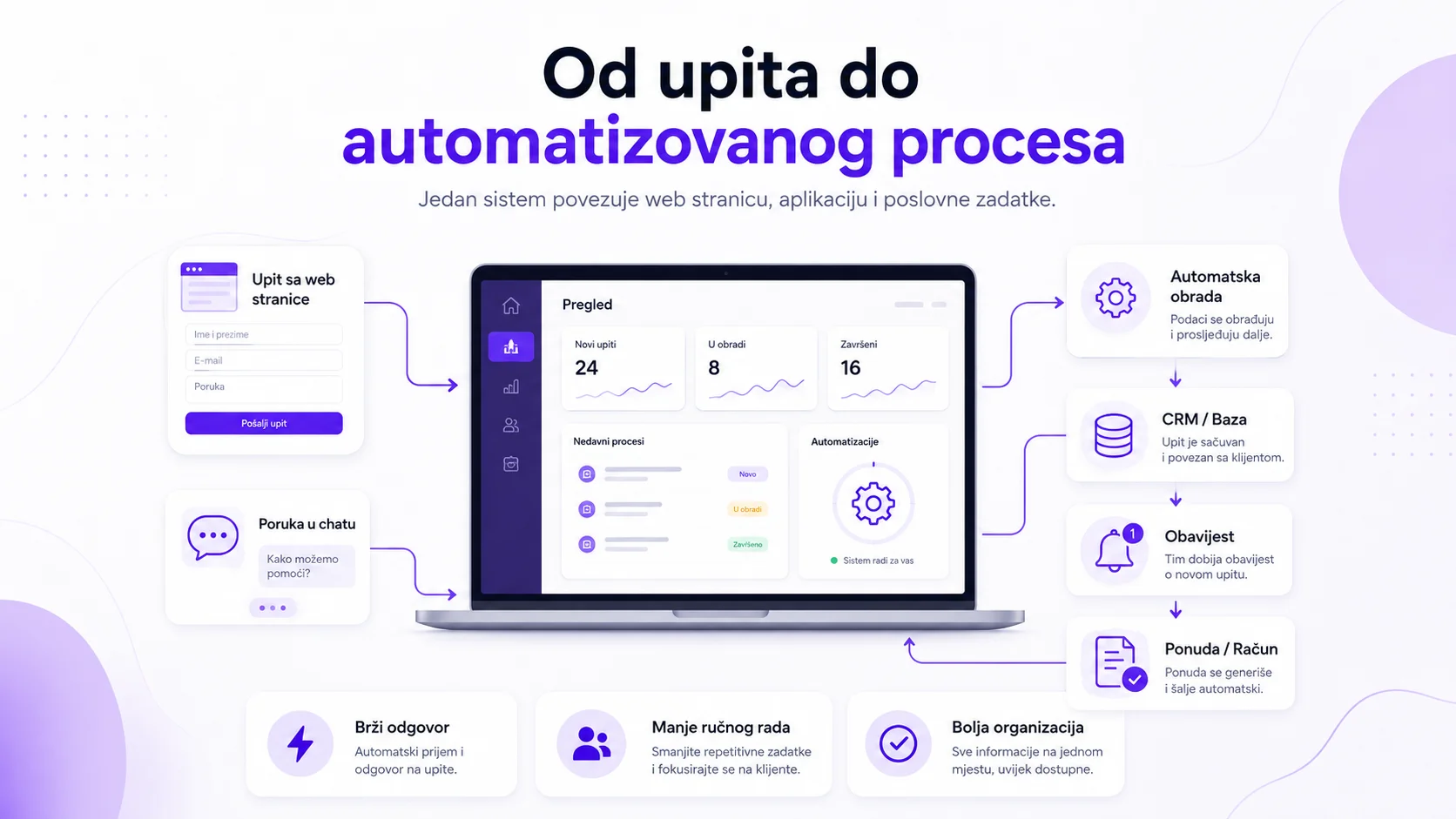
Web stranica koja dovodi korisnike, pretvara ih u upite, prodaje proizvode i automatizuje procese postaje dio poslovnog sistema kompanije.
Planirate izradu nove web stranice?
U Digitaltu razvijamo web stranice, web shopove i custom digitalna rješenja prilagođena konkretnim potrebama poslovanja.
Prije razvoja važno nam je razumjeti šta web stranica treba postići, ko će je koristiti i kako se treba uklopiti u postojeće poslovne procese.
Fokus nije samo na modernom dizajnu, već i na:
- korisničkom iskustvu
- brzini i performansama
- mobilnoj optimizaciji
- SEO strukturi
- sigurnosti
- jednostavnoj administraciji
- mogućnosti budućeg proširenja
Ako planirate novi web projekat ili postojeća stranica više ne prati potrebe vašeg poslovanja, kvalitetno planiranje na početku može dugoročno uštedjeti mnogo vremena i novca.
Digitalt – tehnologija koja prati rast vašeg poslovanja.